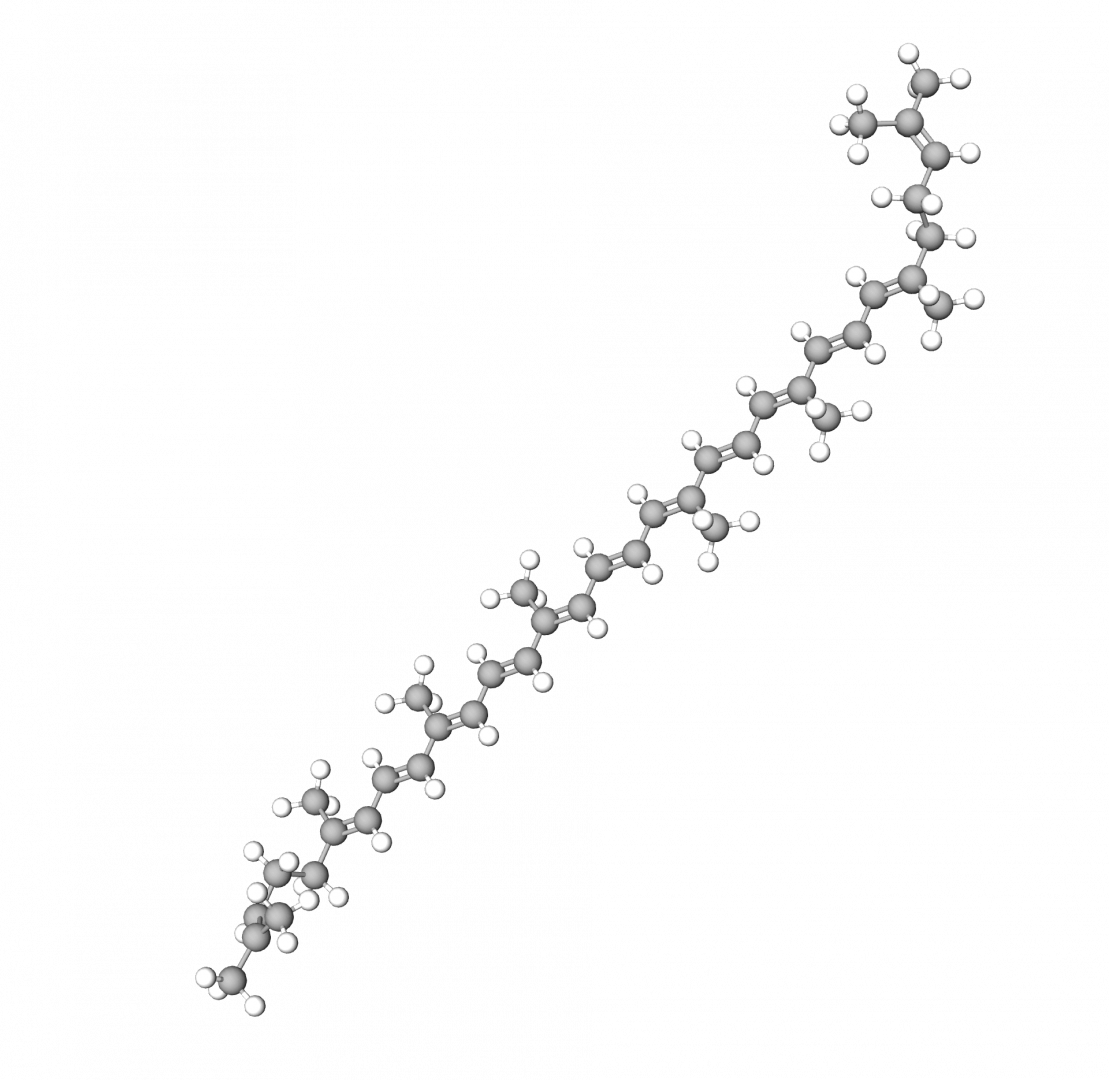
Lycopene is the predominant carotenoid (non-provitamin A) derived from fruits and vegetables such as tomatoes, watermelons, and grapefruit. It is one of the most potent antioxidants and helps protect skin from UV-induced and free-radical damage, preventing oxidation of low-density lipoproteins (LDLs), cell membranes, and DNA.
A highly effective antioxidant to guard against photodamage, Lycopene boosts skin's moisturization, enhances texture, and supports elasticity. A carotenoid found in tomatoes and other red fruits and vegetables, the natural compound helps restore and preserve the skin's smoothness, delivering a soft, silky, supple feel.
In vivo studies have shown that when applied topically, Lycopene reduces reactive oxygen species (free radicals), β-galactosidase activity, and advanced glycosylation end products, thereby demonstrating its antioxidant and anti-aging effects. Moreover, it increased the production of Fibrillin-I and VEGF by dermal fibroblasts, stimulating microvessel renewal and blood microcirculation, decreasing insulin resistance in aged skin, and preventing age-related mitochondrial disorders.
When combined with wheat bran extract containing hydroquinone, Lycopene was tested in a skin-lightening cream and showed promising results as a natural alternative to synthetic skin whitening agents. In addition, it reduces erythema and evens skin tone.It is a safe and natural ingredient for personal care applications. It is used in sun care, anti-acne, protective daily care, and anti-aging applications.