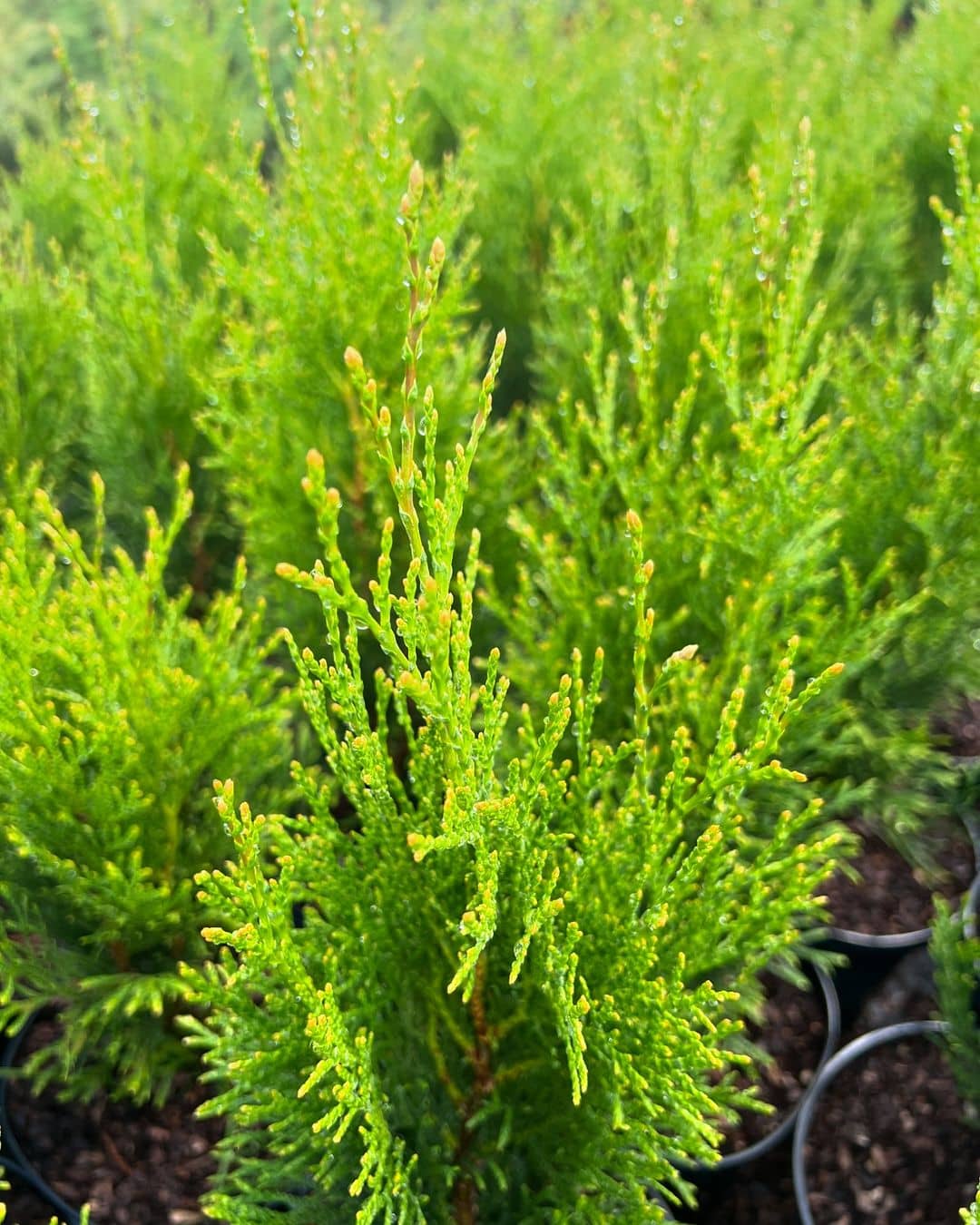
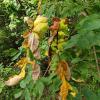
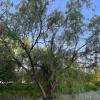
Thuja Occidentalis Leaf/Stem Extract is a light to medium amber liquid with a characteristic odor. It is used in astringents, creams, lotions, other skin care items, and bath products. This extract can also be used as an aromatic in fragrances.
White Cedar (Thuja Occidentalis; Tree of Life) is a tree native to Eastern North America, used in traditional medicine for the treatment of bronchitis, psoriasis, cystitis, and many other diseases and conditions. Leaves and stems contain coumarins, flavonoids, tannins, and proanthocyanidines.
Internally, Thuja Occidentalis preparations are used as a diuretic, antipsychotic, immunomodulatory, and, in some instances, to induce abortion or menstruation (considered as a result of high α-thujone content). Externally, Thuja Occidentalis extracts are used in perfumes, soaps, and ointments, as well as insecticides. Its preparations are used to treat skin eruptions such as psoriasis and eczema.
In skin care applications, Thuja Occidentalis Leaf/Stem Extract exhibits antioxidant, anti-inflammatory, and antiseptic properties. It protects skin from oxidative stress, DNA damage (including radioprotection), cancer, and premature aging. Moreover, it showed promising results in the treatment of verruca pedis, various skin infections, and wound healing.
Synonyms
White Cedar Extract
Changed
References
Thuja occidentalis: An Unexplored Phytomedicine with Therapeutic Applications
Author(s):
Srivastava A, Jit BP, Dash R, Srivastava R, Srivastava S
PMID:
35260050
DOI:
10.2174/1386207325666220308153732
Thuja occidentalis L. (Cupressaceae): Ethnobotany, Phytochemistry and Biological Activity
Author(s):
Caruntu S, Ciceu A, Olah NK, Don I, Hermenean A, Cotoraci C
PMID:
33228192
DOI:
10.3390/molecules25225416
Thuja occidentalis L. and its active compound, α-thujone: Promising effects in the treatment of polycystic ovary syndrome without inducing osteoporosis
Author(s):
Küpeli Akkol E, İlhan M, Ayşe Demirel M, Keleş H, Tümen I, Süntar İ
PMID:
25818694
DOI:
10.1016/j.jep.2015.03.029
Bioactive constituents of Thuja occidentalis
Author(s):
Chang LC, Song LL, Park EJ, Luyengi L, Lee KJ, Farnsworth NR, Pezzuto JM, Kinghorn AD
PMID:
11000026
DOI:
10.1021/np0001575
Antibacterial activity of the crude extracts from medicinally important Thuja occidentalis
Author(s):
Bakht J, Zafar Z, Ahmad J, Khan S
PMID:
32276908
Antioxidant and Anti-Inflammatory Properties of a Thuja occidentalis Mother Tincture for the Treatment of Ulcerative Colitis
Author(s):
Stan MS, Voicu SN, Caruntu S, Nica IC, Olah NK, Burtescu R, Balta C, Rosu M, Herman H, Hermenean A, Dinischiotu A
PMID:
31546840
DOI:
10.3390/antiox8090416
Phytochemical Screening of alcoholic extract of Thuja Occidentalis Leaves for Formulation and Evaluation of Wound Healing Ointment
Traditionally Horsetail (Equisetum arvense) extract has been used for the treatment of inflammatory conditions in Europe. Novel experimental findings showed that Equisetum arvense has a modulatory effect on T-leucocytes that producing mediators of inflammation. It provides an anti-inflammatory effect, soothing, smoothing edema, and eliminating irritation of the skin.
Alpinia Galanga Leaf Extract stimulates the production of hyaluronic acid. It improves skin appearance by reducing shadows, making skin look more radiant, and minimizing visible signs of lines and wrinkles.