Crystalide™ is a peptide-based complex by Sederma with an illuminating effect from deeper skin layers to the surface. The concept of "Glass Skin" is a popular trend in modern skincare, referring to translucent, hydrated, luminous skin. This trend stems from illuminating makeup, which is widely used and temporarily makes the complexion appear brighter through optical effects.
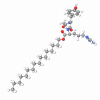
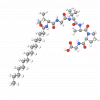
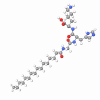
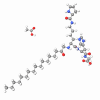
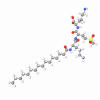
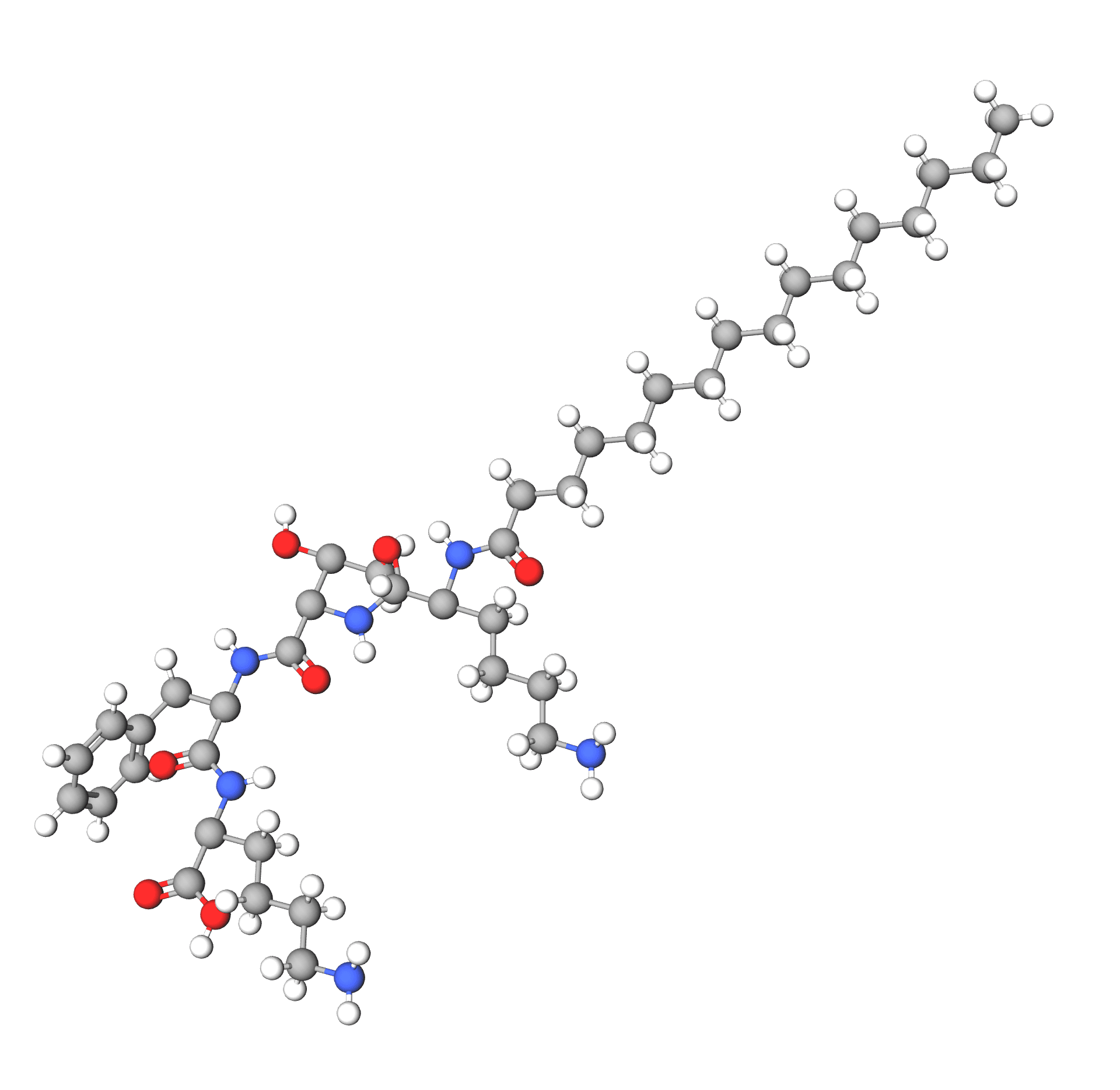
Crystalide™ contains a bio-harmonic peptide that promotes α-crystallin, a transparent protein found in the eye lens (about 50% of content), but also distributed in many tissues, including the skin. α-crystallin is a chaperone protein that provides skin transparency and radiance, revealing the "crystalline skin" effect. Palmitoyl Tetrapeptide-10 (sequence Pal-Lys-Thr-Phe-Lys; KTFK) maintains alpha-crystallin proteostasis (the mechanisms that control protein synthesis, folding, degradation, and aggregation), thereby revealing the skin's essential radiance.
In addition, Crystalide™ promotes natural desquamation processes, regulating the rate of epidermal renewal and the pace of keratinocyte maturation, resulting in clearer, even-toned skin. After a harmonious peel, the skin appears uniform, fresh, and radiant like a piece of crystal.
Thanks to a subtle smoothing effect, Crystalide™ makes the skin look smoother and radiant, revealing an excellent, luminous complexion. This complex is used in modern face creams and primers that recreate the skin's radiance, like a highlighter, and help achieve a more uniform tan. Clinical studies showed that it is safe to use on all skin types and tones.