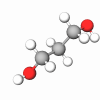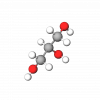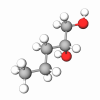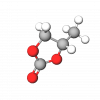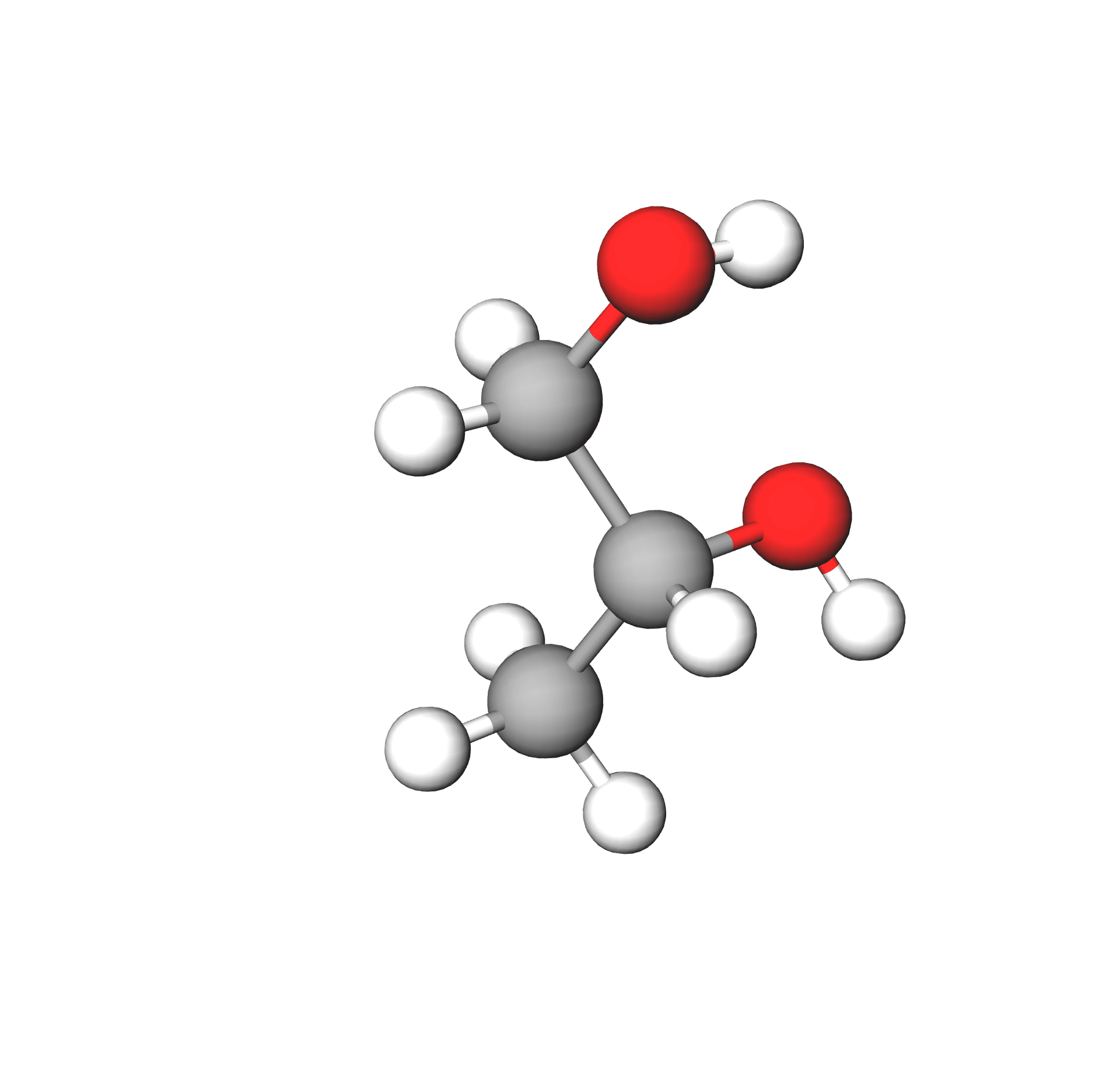
Propylene Glycol is a diol aliphatic alcohol (it contains two hydroxy groups at positions 1 and 2—propane-1,2-diol), a humectant (humidifying) and delivery ingredient used in cosmetics1. It is a water-white, viscous, odorless, hygroscopic liquid with low volatility and is readily soluble in water.
In small amounts, propylene glycol prevents products from melting at high heat or freezing in cold weather. It also helps active ingredients penetrate the skin2. Propylene glycol is an antiseptic with power similar to ethanol (starting at>10% and very effective at 15–30%)3, so depending on concentration, it can be used as a preservative or a booster in a preservation system 4.
Sourced from renewable natural raw materials, Propylene glycol improves formulation texture and stability. It also exhibits antioxidant properties. It is used in many pharmaceuticals, skincare products, and decorative cosmetics.5
Propylene glycol is often used as an emulsifier or to help solubilize other raw materials, such as parabens, fragrances, and vitamins. It is used in cosmetic formulations such as creams, lotions, foundations, cleansing, oral, and hair care products at 1-5% use levels. In some cases, concentration can reach up to 10%, but it is still safe, as propylene glycol can be used in cosmetics in concentrations up to 50%.The U.S. Food and Drug Administration has given Propylene Glycol the GRAS (Generally Recognized As Safe) classification6. It is considered safe for topical use in cosmetic concentrations and has a low sensitization profile7 8. However, many reports describe allergic reactions, including contact dermatitis9 10.
References
- Propylene Glycol.PMID:29059092DOI:10.1097/DER.0000000000000315
- Effect of propylene glycol on the skin penetration of drugs.PMID:31786711DOI:10.1007/s00403-019-02017-5
- Antibacterial and antifungal properties of propylene glycol, hexylene glycol, and 1,3-butylene glycol in vitroPMID:1675525
- Difference in Anti-microbial Activity of Propan-1,3-diol and Propylene Glycol.PMID:36596515DOI:10.1248/cpb.c22-00625
- Insights on production mechanism and industrial applications of renewable propylene glycol.PMID:36039303DOI:PMC9418903
- Substances added to food: Propylene glycol.
- Safety assessment of propylene glycol, tripropylene glycol, and PPGs as used in cosmetics.PMID:23064775DOI:10.1177/1091581812461381
- Safety assessment of propylene glycol, tripropylene glycol, and PPGs as used in cosmetics.PMID:23064775DOI:10.1177/1091581812461381
- Propylene glycol, skin sensitisation and allergic contact dermatitis: A scientific and regulatory conundrum.PMID:36702195DOI:10.1016/j.yrtph.2023.105341
- Propylene Glycol in Contact Dermatitis: A Systematic Review.PMID:29064881DOI:10.1097/DER.0000000000000307