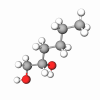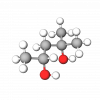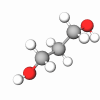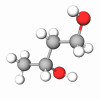
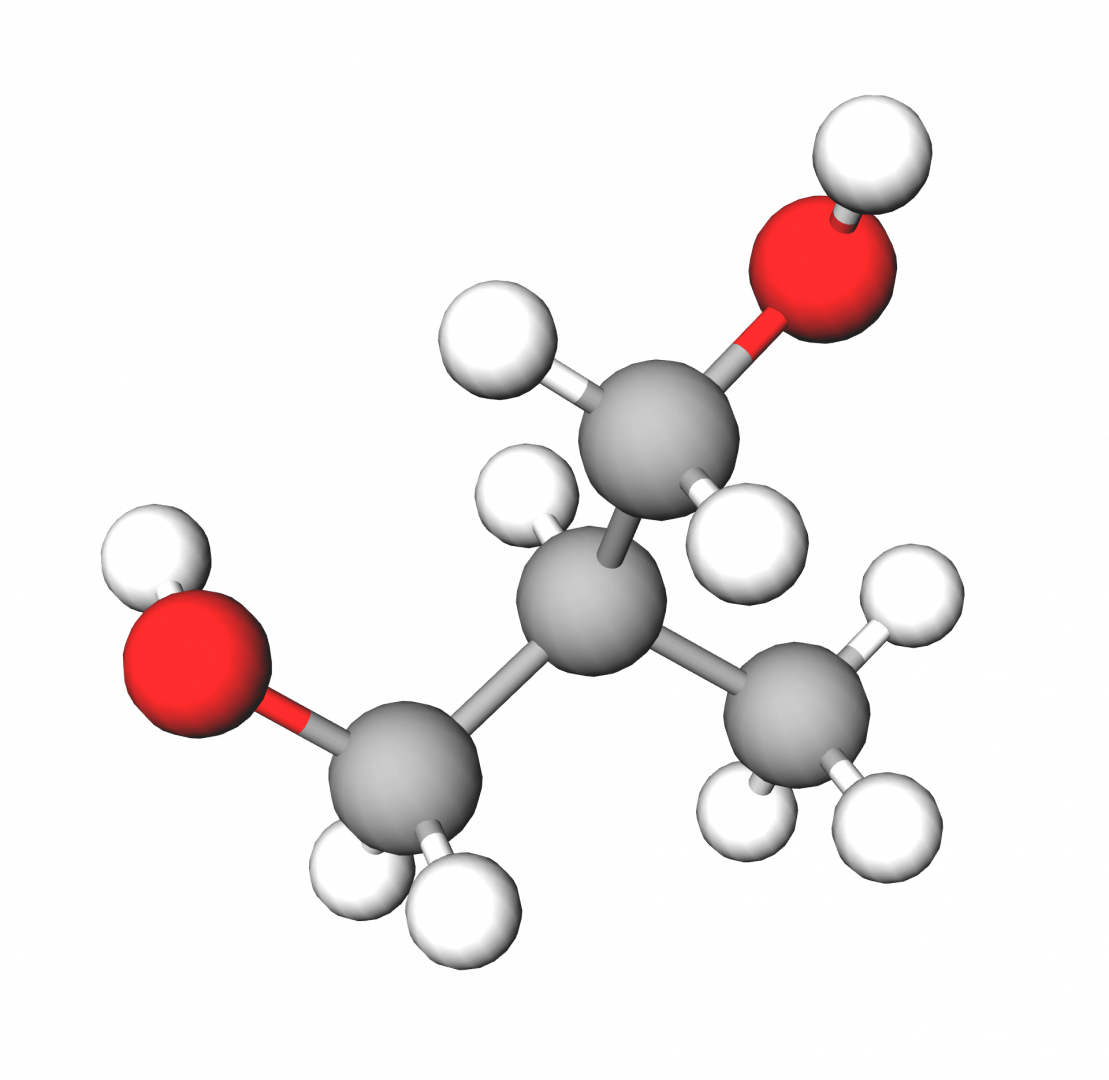
Methylpropanediol (2-methyl-1,3-propanediol or MP diol) is a humectant glycol, a clear and colorless viscous liquid with a very low odor, used in personal care products and fragrances. Thanks to its excellent solubilizing and moisturizing properties, 2-methyl-1,3-propanediol is a good alternative to other glycols (Propylene, Butylene, DiPropylene, and Pentylene glycols), Glycerin, and Sorbitol.
MethylPropanediol can serve as an emulsifier with an HLB value of 8.9, with outstanding lubricating, skin feel, and synergy with Glycerin. It has good antimicrobial properties and acts as a safe preservative booster. In addition, 2-methyl-1,3-propanediol helps control the formulation's viscosity, reduces energy consumption during processing at low temperatures, and improves pigment wetting in decorative cosmetics. In perfume, it improves the spread of and enhances the fragrance. It can also serve as a penetration booster for other ingredients, such as AHAs and BHAs, speeding up adsorption and improving the formula's effectiveness.
Glycols are commonly used in emulsion products to improve freeze-thaw stability. Test with MP diol-containing products showed the ability of a product to be frozen and then recover without product degradation in multiple cycles in a range of -20°C for twenty-four hours and 25°C for twenty-four hours. It prevents phase separation encountered using traditional glycols. Cosmetic products must exhibit adequate elevated-temperature stability to be considered satisfactory for entry into the marketplace. It is anticipated that 90 days at 45°C will approximate a shelf life of at least 2 years, and methylpropanediol will allow formulators to meet those standards while producing the clearest products compared to traditional glycols.
Used in all types of skin, lip, nail, and hair care applications, MethylPropanediol is a multifunctional, eco-friendly ingredient that provides even distribution, prolonged moisturization, and improved shelf life. Although it is a synthetic ingredient, the Cosmetic Ingredient Review expert panel has determined that methylpropanediol is safe for personal care products and has been tested for an extended period without significant adverse or sensitizing effects on the skin, hair, or nails.Methylpropanediol is an isomer of 1,3-butylene glycol and offers similar performance characteristics. It has broad solvency that enhances fragrances while yielding clear, homogeneous solutions.
Methylpropanediol is a low molecular weight glycol that does not contain chlorine compounds, ozone-depleting substances, or heavy metals and is not manufactured using them. It also has low volatility and a high flash point of 113°C. The branched, asymmetric structure inhibits crystallization. Consequently, it is a liquid, even in cold environments.
Methylpropanediol showed no evidence for either target organ effects or bioaccumulation, even at repeated, high-level oral exposures. It was also not genotoxic, with or without activation.
Methylpropanediol is an ecologically safe ingredient that is biodegradable by aerobic microorganisms and exhibits low aquatic toxicity. The biodegradation products are carbon dioxide and water, since they contain only carbon, hydrogen, and oxygen. However, it is not classified as" readily biodegradable" but has been characterized as inherently biodegradable.