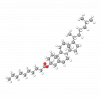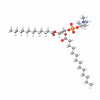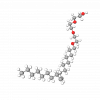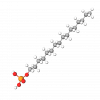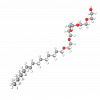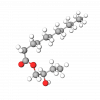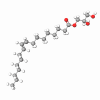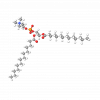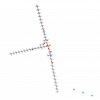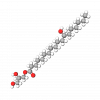
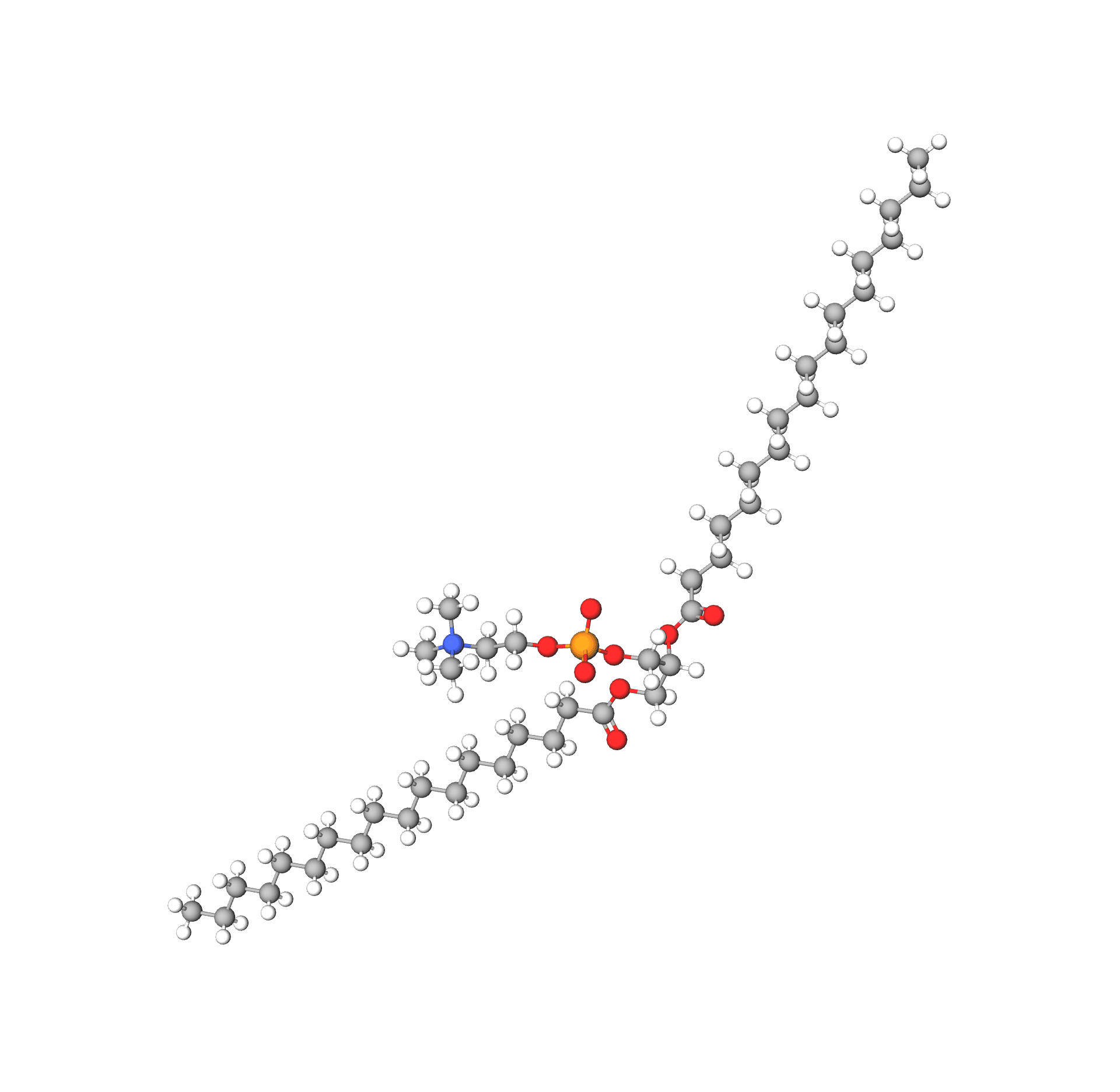
Hydrogenated Phosphatidylcholine is a general name for modified (hydrogenated) natural phospholipids (a fraction in lecithins) derived from soy or sunflower. Lecithins contain 20 - 80 % of phosphatidylcholines, depending on the vegetal source and the extraction method.
Plant lecithins' "fatty tails" are mainly unsaturated (contain double bonds), so they are prone to oxidation. Hydrogenation is a catalytic reaction that converts unsaturated fatty groups into saturated fatty tails (without double bonds), thereby making them more stable.
Hydrogenated lecithins are widely used in the cosmetics and pharmaceutical industries for their unique properties. They are very similar to phospholipids, which are structural elements of cell membranes, and in topical formulations can form mono-, bi-, and multilayer systems such as micelles, liposomes, or ethosomes, thanks to their molecular structure, which combines hydrophilic and lipophilic parts.
Refined Hydrogenated Phosphatidylcholine is more stable to light and oxidation and highly soluble in many cosmetic solvents, stabilizes colloids containing insoluble actives, and has a high affinity for the Stratum Corneum, making it one of the most suitable phospholipids for personal care applications. Applied topically, it improves skin barrier function, reduces trans-epidermal water loss (TEWL), and can act as a mitigating agent in cleansing formulations containing sulfates such as sodium lauryl sulfate (SLS).Hydrogenated Phosphatidylcholine is used in innovative delivery systems, such as submicron liposomes (tiny particles smaller than a micron), which protect active ingredients like peptides or vitamins in the formulation and after application, while enhancing penetration rates and formula efficiency. It is a safe, edible, well-studied ingredient for personal care applications.