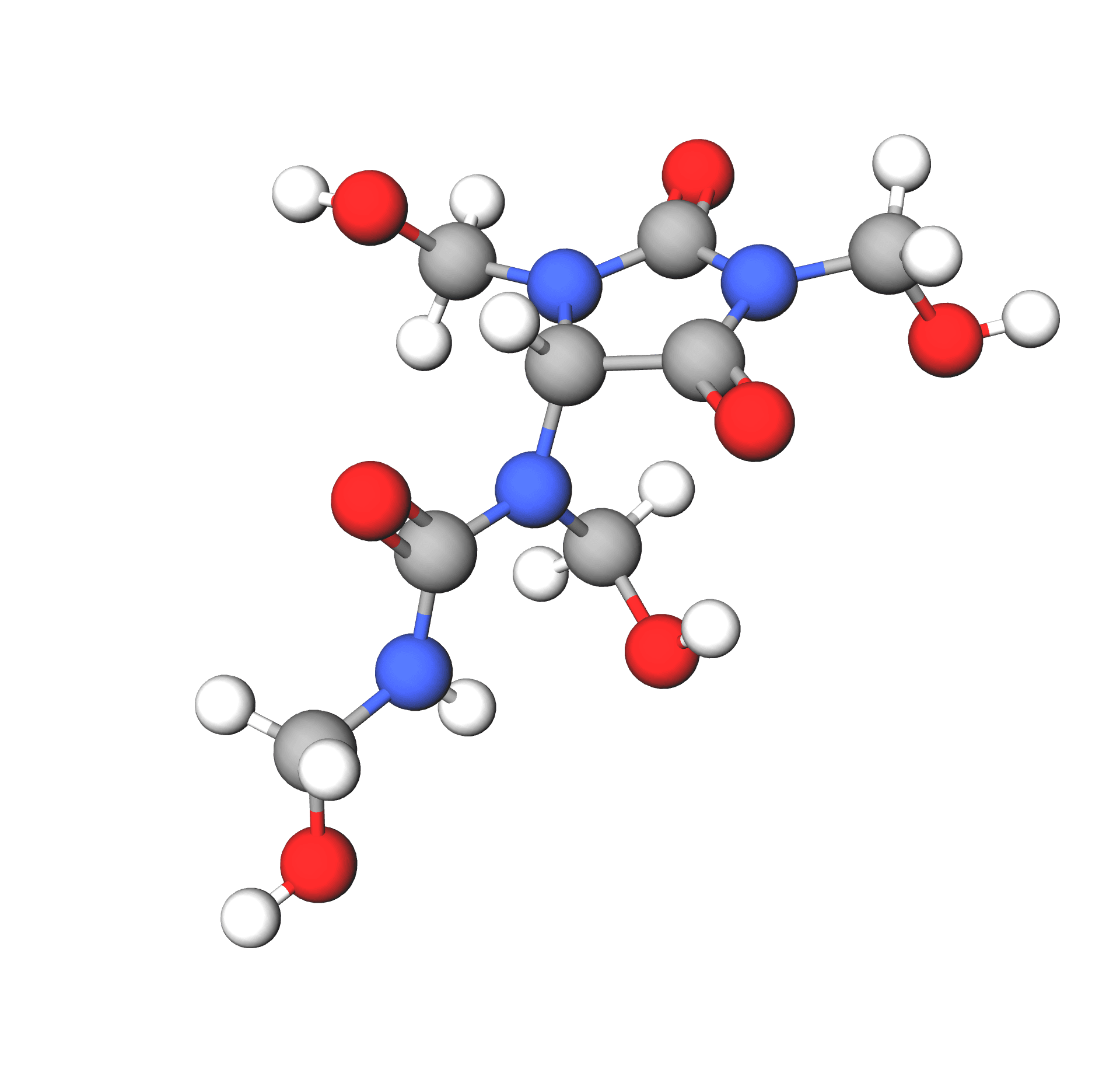
Diazolidinyl urea is an Allantoin derivative, a highly effective, broad-spectrum antibacterial preservative with excellent activity against Pseudomonas species. It is non-irritating to the eyes, skin, and mucous membranes at use levels. It is also known under the trade name Germall II.
Diazolidinyl urea acts as a formaldehyde releaser. It is highly water-soluble, retaining its activity in the presence of proteins, nonionic surfactants, and most other common ingredients used in personal care formulations and hand sanitizers. It may be added directly to aqueous systems without heating.
In a hot process, Diazolidinyl urea should be introduced during the cooling stage, below 60°C, and recommended below 40°C. Because it is hygroscopic, it should be stored in tightly sealed containers when not in use.
Diazolidinyl urea is a well-studied and widely used preservative. However, due to its formaldehyde-releasing mechanism, some researchers consider it a potential carcinogen and a genotoxic agent. There are many reports of sensitization, including contact dermatitis and other allergic reactions.
Methyldibromo Glutaronitrile is a preservative, a highly effective antimicrobial agent used to preserve formulated cosmetic and personal care products.
A preservative used for skincare products which has been deemed a safe ingredient. The main purposes of Phenoxyethanol is for keeping bacteria out of our organic ingredients.
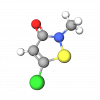
Methylchloroisothiazolinone is a chlorine-containing heterocyclic compound from the Isothiazolinone family. It is a white solid at room temperature and is highly soluble in water, glycols, and other alcohols.
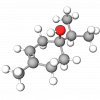
4-Terpineol is a natural active ingredient under the tradename MELAFRESH® T96 with potent broad-spectrum anti-microbial and anti-inflammatory properties for use in a wide range of cosmetic and personal care applications.
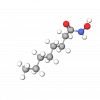
Caprylhydroxamic Acid (CHA) is a hydroxamic acid used in personal care formulations as a preservative suppressing microbial growth and a chelating agent making complexes with metal ions. Its origin can be natural or synthetic.
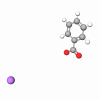
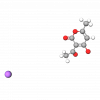
Approved by FDA as a GRAS (Generally Recognized As Safe) ingredient, Sodium Benzoate is well-known, globally trusted, and remarkably effective preservative for skin, eye, lip, and hair care products.
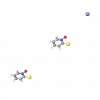
Zinc pyrithione is one of the most popular anti-dandruff ingredients contributing bactericide-fungicide action in shampoos, conditioners, and leave-on products.
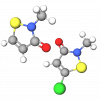
Kathon CG is a 3:1 mixture of Methylchloroisothiazolinone (5-chloro-2-methyl-4-isothiazolin-3-one; MCI) and Methylisothiazolinone (2-methyl-4-isothiazolin-3-one; MI).
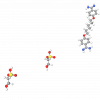
Hexamidine Diisethionate is a water-soluble antimicrobial cationic polyvalent preservative with a wide spectrum of protection against bacteria, fungi, and yeasts.