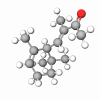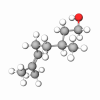
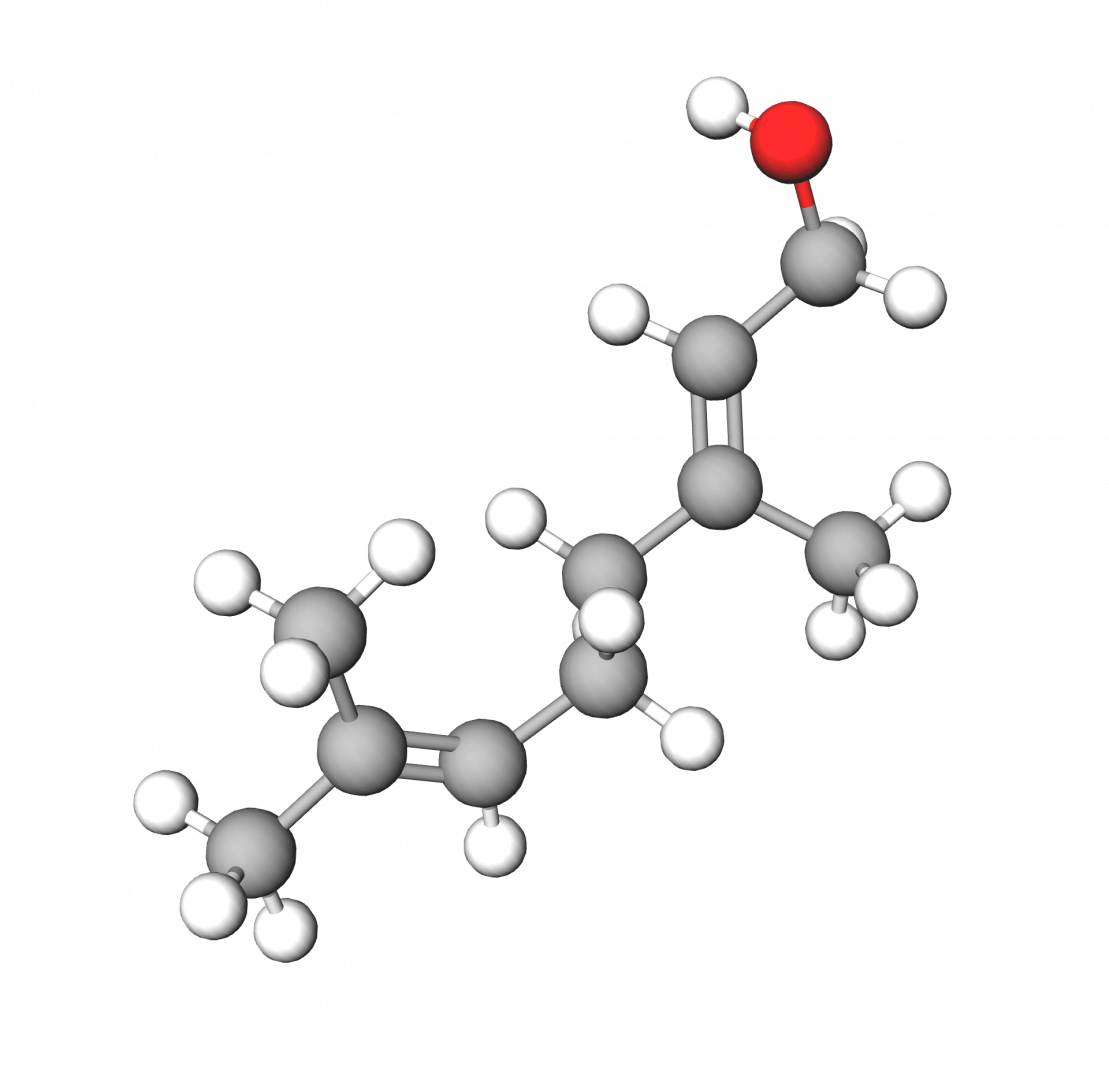
Geraniol is a terpenoid alcohol, an aromatic compound in many essential oils such as rose, citronella, and palmarosa. It was initially found in the Geranium species, an essential oil commonly used in perfumery, and was named after them. In addition, Geraniol is found in many edible plants, fruits, and berries; thus, it is a safe food-grade ingredient used as a flavoring agent, perfume, and masking agent, thanks to its intense sweet, rose-like odor with citric and fresh notes.
Primarily used as a fragrance in skin and hair care applications, Geraniol exhibits numerous beneficial properties, including antimicrobial, anti-inflammatory, insect-repellent, and antioxidant actions. It is effective against many bacteria, mold, and fungi (including fungicide action) and prolongs the preparation's shelf-life while fighting against microbes responsible for various skin infections and acne formation. In addition, it balances the skin's microflora, promoting a healthy appearance.
Honeybees have specialized geraniol-producing glands and mark the entrance of their hives with this aromatic substance for odor-modulated navigation. Many insects, including mosquitoes, developed the ability to detect this monoterpene alcohol and avoid hives, as bees can kill them while defending the hive. So, Geraniol is a perfect natural insect repellent that protects skin from mosquito bites.
It is a readily biodegradable and eco-friendly ingredient with good stability in formulations and substantivity for 24 hours. Maskin unpleasant odor of some active ingredients; Geraniol provides a fresh scent, improves mood, and protects skin from microbial and free-radical influences.In vitro studies showed that Geraniol has a relatively low skin absorption rate (~5%), yet multiple cases of sensitization have been reported. So, it can be considered a potential fragrance allergen.