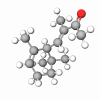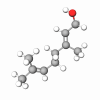

Citronellol is a terpenoid (monoterpene alcohol) found in many aromatic plant oils, such as Rose, and is exceptionally high in Citronella, from which it got its name. In small quantities, it is present in fruits, edible plants, and natural beverages and is used as a flavoring agent in the food industry; thus, it is a safe food-grade ingredient used in perfumery and skin care preparations.
Thanks to its sweet, floral, rose-like odor with citrus notes, it is mainly used as a fragrance, masking, and insect-repellent ingredient in skin and hair care applications. But, Citronellol is responsible for several healing effects of some essential oils used in traditional medicine. It has beneficial properties, such as antifungal, antiviral, antibiotic, antibiofilm, and anti-inflammatory.
Thanks to its antiseptic effect, Citronellol acts as a natural preservative booster, prolonging shelf life and enhancing the safety of the preparation. In addition, it speeds healing of skin infections, especially those caused by Candida species and drug-resistant strains. Combined with widely used chitosan, it exhibits potent anti-inflammatory action, soothing irritated or sensitive skin.
In vitro studies showed that Citronellol has a relatively low skin absorption rate (~5%), yet there are multiple reported cases of sensitization. So, it can be considered a potential fragrance allergen. Oxidized Citronellol has more potential for sensitization.