Hydrolyzed silk is a blend of fragmented proteins, peptides, and amino acids derived from alkaline or acidic hydrolysis of natural silk. "Smooth as silk" conveys sensuousness and elegance like few other phrases. It offers strong name recognition and a beautifully elegant science.
Silk is called the "princess" of fibers. The protein's triangular cross-section and layered structure create a pearly luster and brilliance. When light passes through the silk protein structure, it reflects and creates a beautiful interference pattern similar to a pearl, revealing unique shine and radiance.
With an average molecular weight of about 10,000, hydrolyzed silk is an active film-forming ingredient. In medicine, it is valued for its hemostatic, antibacterial, and anti-biofilm properties. It also accelerates tissue regeneration, providing a natural three-dimensional environment for cell growth.
Incorporated in personal care products, it provides smoothing, texturizing, and conditioning effects. In skincare products, it provides protective, colloidal, or gel-forming effects while helping plump the skin and increase its ability to retain moisture. The skin looks smoother, plumper, and less wrinkled.In hair care products, it improves manageability, adds gloss, and enhances hair texture. In addition, hydrolyzed silk's film-forming and moisturizing effects are especially effective on damaged hair.
Hydrolyzed silk is a safe, naturally derived, and eco-friendly ingredient for personal care products.
About silk
Possibly no word conjures up more emotion than silk. Garments produced from this protein fiber have been held in high esteem for centuries. Silk has been prized for its feel, magic, and aura of quality.
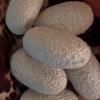
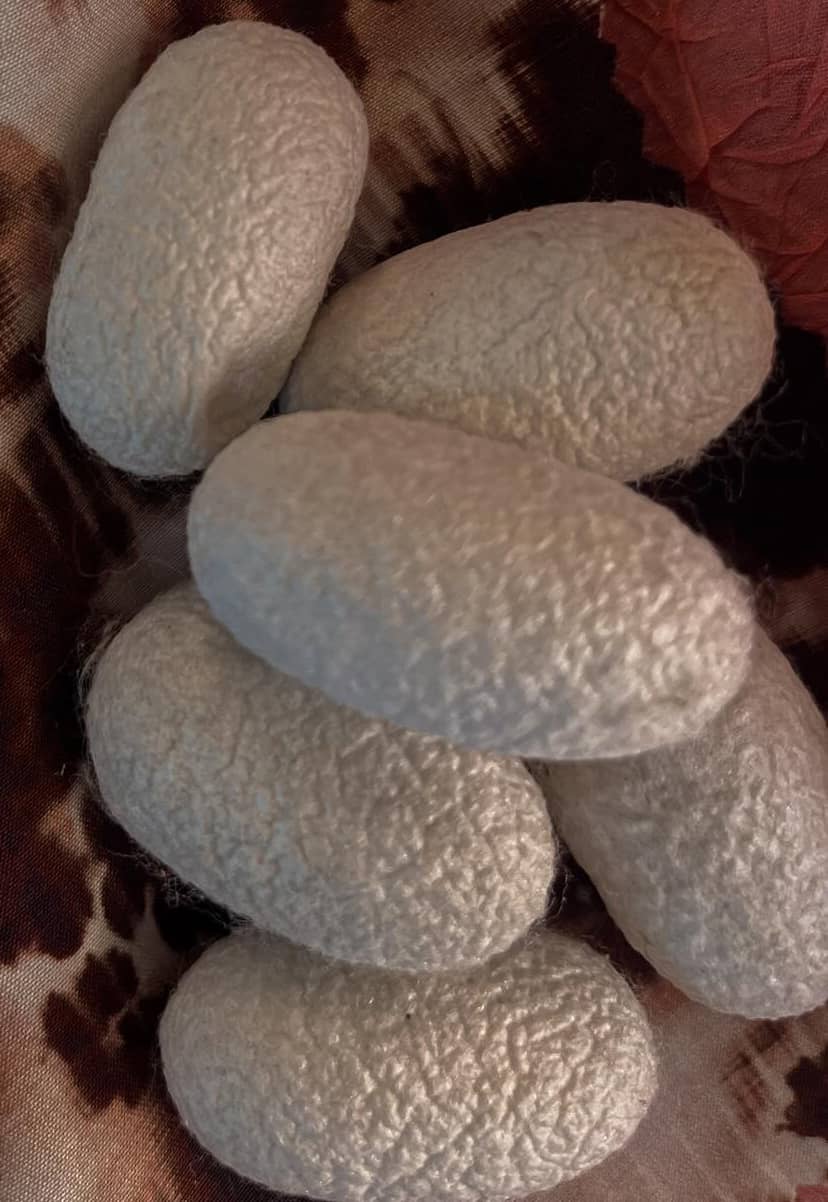
Silk is a natural fiber produced by the larvae of the silk moth Bombyx Mori as protection during pupation while undergoing its metamorphosis from caterpillar to moth. The fibers consist of two strands made of a protein called fibroin, held together by sericin – a protein gum – which differs from the fiber in its amino acid profile by being soluble in water. The fiber can be removed from the cocoon before the moth emerges, cleaned, degummed, and used to spin silken cloth. This forms the basis of the sericulture industry.
Silk has been referred to as the “Princess of Fibers.” The pearly luster and brilliance of the fiber are a consequence of its tightly packed laminar structure. This is made possible by predominating the simpler amino acids glycine and alanine in their amino acid profile.