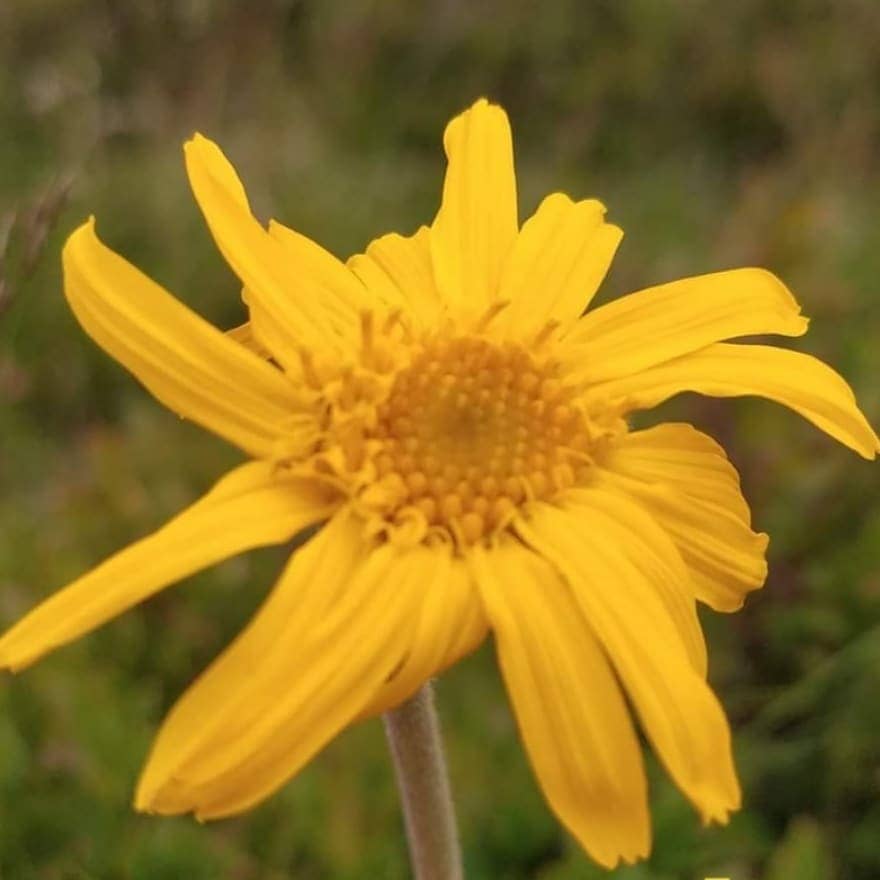
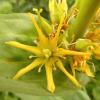
Arnica Montana Extract is a light to medium amber liquid with a characteristic odor. It is soluble in any proportion of water, and the pH range of the solution is 4.0 - 6.5 at 25°C.
Arnica preparations are primarily for external use. Traditionally used as a tincture or salve, they help promote healing of wounds, bruises, and irritation when the skin is unbroken. It has been known to stimulate blood circulation. When used in warm water, it brings great relief to the feet. Due to the microcirculation-enhancing effect, it was used in the development of hair and scalp care products to stimulate hair growth.
A study showed that Arnica Montana Extract stimulates the growth and differentiation of preadipocytes through the biologically active 6-O-methacryloylhelenalin and 6-O-isobutyrylhelenalin. A topical preparation containing 1% of the extract increased subcutaneous fat volume, enhanced lip volume, smoothed the skin, and reduced wrinkles—no adverse effects observed during the tests.
In skin care applications, Arnica Montana Extract is used as a multifunctional ingredient with antioxidant, anti-inflammatory, antiseptic, and immunomodulatory (anti-allergic) action. It is also used in specialized applications, such as toners, oral, lip, and hair care products, and anti-cellulite preparations, to increase blood circulation, stimulate regenerative processes, and provide protective and antibacterial action.
Arnica montana L. extract containing 6-O-methacryloylhelenalin and 6-O-isobutyrylhelenalin accelerates growth and differentiation of human subcutaneous preadipocytes and leads volumizing of skin
Author(s):
Sakamoto K, Watanabe C, Masutani T, Hirasawa A, Wakamatsu K, Iddamalgoda A, Kakumu Y, Yamauchi K, Mitsunaga T
PMID:
35984685
DOI:
10.1111/ics.12815
Arnica montana L. associated with microcurrent accelerates the dermis reorganisation of skin lesions
Author(s):
Zacarias CA, de Mendonça Florenziano RF, de Andrade TAM, de Aro AA, do Amaral MEC, Dos Santos GMT, Esquisatto MAM
PMID:
36752313
DOI:
10.1111/iep.12469
Effects of Arnica Phytotherapeutic and Homeopathic Formulations on Traumatic Injuries and Inflammatory Conditions: A Systematic Review
Author(s):
Toma CC, Marrelli M, Puticiu M, Conforti F, Statti G
PMID:
39520030
DOI:
10.3390/plants13213112
Arnica montana L. - a plant of healing: review
Author(s):
Kriplani P, Guarve K, Baghael US
PMID:
28401567
DOI:
10.1111/jphp.12724
Arnica montana L. - a plant of healing: review
Author(s):
Kriplani P, Guarve K, Baghael US
PMID:
28401567
DOI:
10.1111/jphp.12724
Arnica Montana L. Supercritical Extraction Optimization for Antibiotic and Anticancer Activity
Author(s):
Žitek T, Postružnik V, Knez Ž, Golle A, Dariš B, Knez Marevci M
PMID:
35620474
DOI:
10.3389/fbioe.2022.897185
Nanocomposite hydrogel incorporating Arnica montana extract, propolis-loaded chitosan nanoparticles, and menstrual blood-derived mesenchymal stem cells for allergic rhinitis therapy
Author(s):
Liang K, Zhao B, Wang J, Wang X, Zhu X, Rohani S, Li Z, Ye B
PMID:
41082059
DOI:
10.1007/s10856-025-06939-7
Antioxidant Capacity and Accumulation of Caffeoylquinic Acids in Arnica montana L. In Vitro Shoots After Elicitation with Yeast Extract or Salicylic Acid
Author(s):
Petrova M, Geneva M, Trendafilova A, Miladinova-Georgieva K, Dimitrova L, Sichanova M, Nikolova M, Ivanova V, Dimitrova M, Sozoniuk M
PMID:
40265909
DOI:
10.3390/plants14060967
Anti-inflammatory effects of Arnica montana (mother tincture and homeopathic dilutions) in various cell models
Author(s):
Verre J, Boisson M, Paumier A, Tribolo S, Boujedaini N
PMID:
37598770
DOI:
10.1016/j.jep.2023.117064
The agents of natural origin applied in cellulite treatment
Author(s):
Adam Klimowicz, Joanna Zielonka, Marcelina Turek, Anna Nowak
Thanks to the stimulating properties and heat sensation of capsaicin and capsaicinoids, wild chili paper has been used to treat arthritis, hair loss, and rheumatic pains for centuries.
The Aborigines discovered that the Eucalyptus tree (Eucalyptus Globulus) stores water in the roots. Ironically, many early settlers died of thirst when water was all around them, stored in these plants.
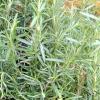
Rosemary (Rosmarinus Officinalis) was thought to possess extraordinary powers of protection against evil spirits and demons. It was also a symbol of remembrance, friendship, and love.
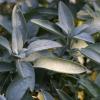
Sage leaf extract is an organic skincare ingredient and natural antioxidant. The leaves of the small evergreen perennial are used in organic skincare products for their tonic, astringent, and soothing properties.
The root extract of this medicinal plant contains more than 40 bioactive compounds, including flavonoids, terpenoids, polysaccharides, and essential oil with volatile components.
Nettle (Utica dioica) extract contains minerals, vitamins, and phytohormones like histamine and leaves tonic, antibacterial, and revitalizing effects on the skin. Thus histamine-like action Nettle extract excites hair growth and improves the structure, shine, and softness.
Although the first recorded uses of Gentian (Gentiana Lutea) in medicine are on Egyptian papyrus, the ancient King Gentius of Illyria is actually credited with discovering its medicinal value.