
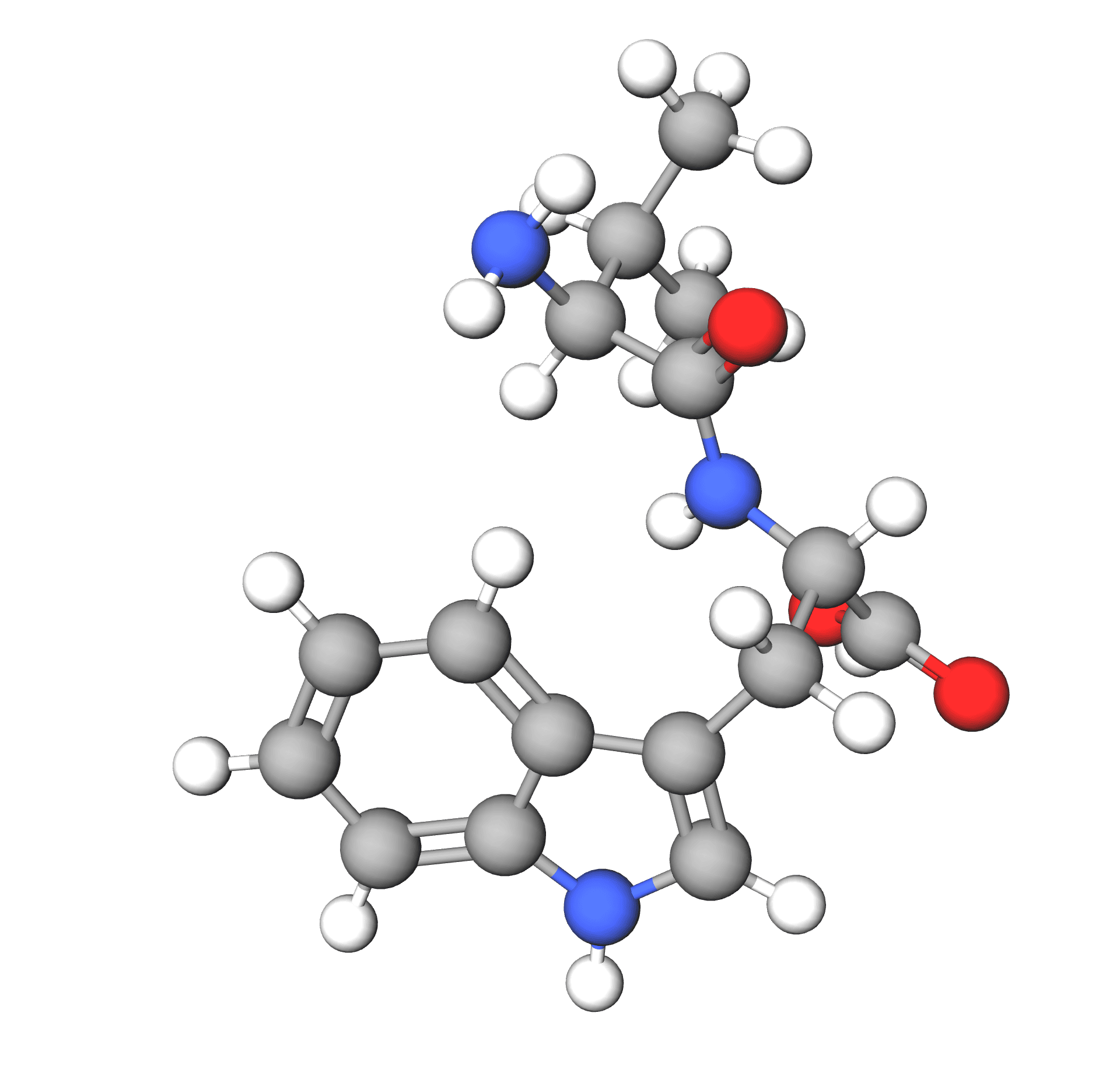
Dipeptide-2 is a biologically active peptide with the sequence Val-Trp (VW) that can inhibit both Angiotensin-Converting Enzymes (ACE I and II), which regulate fluid volume in the body. This property makes it useful in preparations that require fluid drainage or improved circulation.
Because of its ACE-inhibiting property, Valyl Tryptophan is a well-studied antihypertensive (blood pressure-lowering) dipeptide known from the 80s, found in protein metabolites obtained from food. It is the most potent among tryptophan-containing dipeptides that bind selectively to the C-domain of ACE.
Dipeptide-2 is a safe ingredient that can effectively eliminate edema, eye bags, and puffiness. It increases lymphatic and blood circulation, providing a decongestant effect that is in demand for advanced eye care applications. Working synergistically with other peptides, Dipeptide-2 has earned a place in well-known peptide-based complexes like Eyeliss™, used in many bestselling products.
References
- Tryptophan-containing dipeptides are C-domain selective inhibitors of angiotensin converting enzyme.PMID:25053098DOI:10.1016/j.foodchem.2014.06.059
- Structural, spectroscopic, molecular docking, ADME, molecular dynamics studies of Val-Trp dipeptide.PMID:36843537DOI:10.1080/07391102.2023.2183041
- In silico proteolysis and molecular interaction of tilapia (Oreochromis niloticus) skin collagen-derived peptides for environmental remediation.PMID:35305983DOI:10.1016/j.envres.2022.113002
- Angiotensin-converting-enzyme inhibitors in hemodynamic congestion: a meta-analysis of early studies.PMID:30895374DOI:10.1007/s00392-019-01456-4