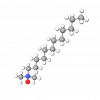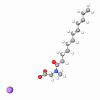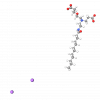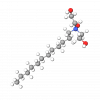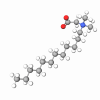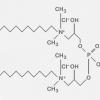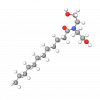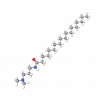
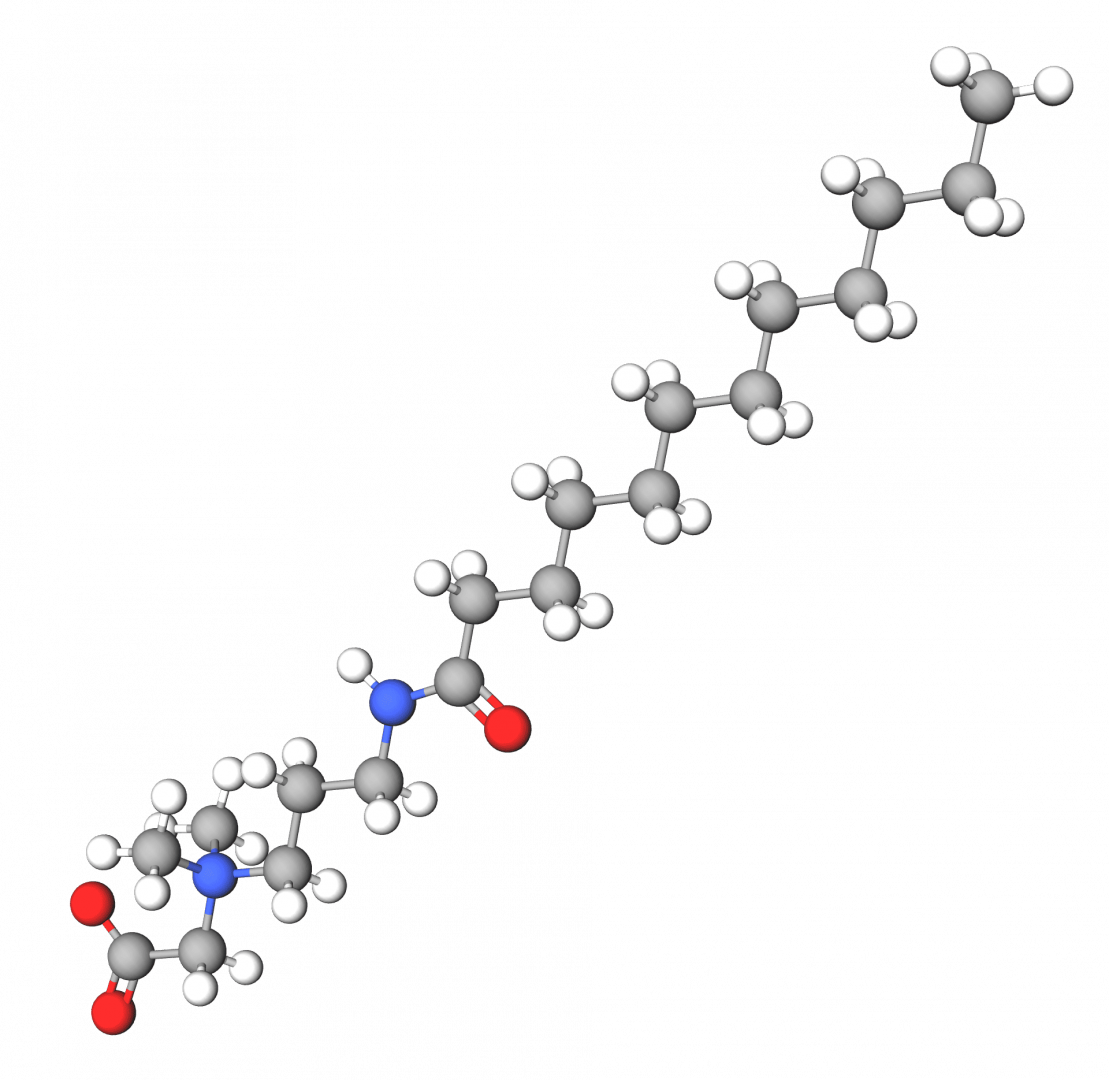
Cocamidopropyl betaine is a premium surfactant derived from coconut fatty acids and betaine. Betaine-derived surfactants are classified as amphoteric. Although their primary function in a surfactant system is to modify viscosity and foam properties, they also serve as substantive conditioners.
It is highly water-soluble in a wide pH range, pH 5 - 6 (10 % aqueous solution). Cocamidopropyl betaine is a clear yellow liquid with no or faint odor. It is a very mild co-surfactant (also useful as a primary surfactant) compatible with anionic, nonionic, and cationic surfactants. Thanks to its very low irritation potential it is used often as a replacement for part of the primary surfactant to decrease eye sting and irritation.
When adequately formulated, Cocamidopropyl betaine effectively reduces irritation commonly associated with primary anionic surfactants. In addition, it is a good cleanser, foam booster, viscosity enhancer, excellent conditioning & antistatic agent, and moderate emulsifier. Therefore, it is used as the primary thickener and surfactant in foaming and dilutable conditioners.
The unique properties of Cocamidopropyl betaine make it suitable for hair shampoos, hair conditioners, bath products, facial and skin cleansers, creams, and disinfectants, including baby products. Because it is a quaternary nitrogen compound, Cocamidopropyl betaine is often used at fairly low concentrations as a skin conditioner in shower gels.When used with anionic surfactants such as SLES, Cocamidopropyl betaine can also boost foam while adding viscosity to a formulation. In addition, it reduces the irritation of primary anionic surfactants; thus, it is especially well suited for low-irritation, high-foaming products. Moreover, its skin sensitization potential is very low; allergic reactions such as contact dermatitis are very rare.