Royal Jelly Extract is a light-to-medium amber liquid with a characteristic odor that contains essential nutrients and biologically active substances like 10-hydroxydecanoic acid, royalisin, and apisin. The milky-white gelatinous substance of Royal Jelly is secreted in the salivary glands of worker bees for the sole purpose of stimulating the growth and development of queen bees.
Royal Jelly has been considered an energy tonic because its principal nutrient is vitamin B5, also known as pantothenic acid. Vitamin B5 has been used to treat rheumatoid arthritis, among other bone and joint disorders. B5 is considered an anti-stress vitamin, so it is used to fight fatigue and increase stamina.
Studies have shown that when applied topically, Royal Jelly Extract increases collagen production, accelerates wound healing, and enhances recovery. In addition, it possesses antimicrobial, anti-inflammatory, antioxidant, nourishing, and hydrating properties, as confirmed by multiple studies.
Royal Jelly Extract is a safe and effective ingredient derived from natural raw material. It is used in many creams, lotions, gels, and skin rejuvenating treatments. However, similarly to other insect-derived ingredients, Royal Jelly Extract contains common allergens. There are reports of skin sensitization and allergic reactions, mainly in subclinical forms.
Identification of a collagen production-promoting factor from an extract of royal jelly and its possible mechanism
Author(s):
Koya-Miyata S, Okamoto I, Ushio S, Iwaki K, Ikeda M, Kurimoto M
PMID:
15118301
DOI:
10.1271/bbb.68.767
Effect of facial application of essence containing royal jelly extract on stratum corneum moisture content: A placebo-controlled, double-blind, parallel-group study
Author(s):
Maeda Y, Fujikura C, Asama T, Yagi M, Okumura N, Yamaki A, Ohkuma A, Numano K
PMID:
35778882
DOI:
10.1111/jocd.15168
The in vitro and in vivo wound-healing effects of royal jelly derived from Apis mellifera L. during blossom seasons of Castanea mollissima Bl. and Brassica napus L. in South China exhibited distinct patterns
Author(s):
Lin Y, Zhang M, Wang L, Lin T, Wang G, Peng J, Su S
PMID:
33225942
DOI:
10.1186/s12906-020-03138-5
Inhibition of Skin Pathogenic Bacteria, Antioxidant and Anti-Inflammatory Activity of Royal Jelly from Northern Thailand
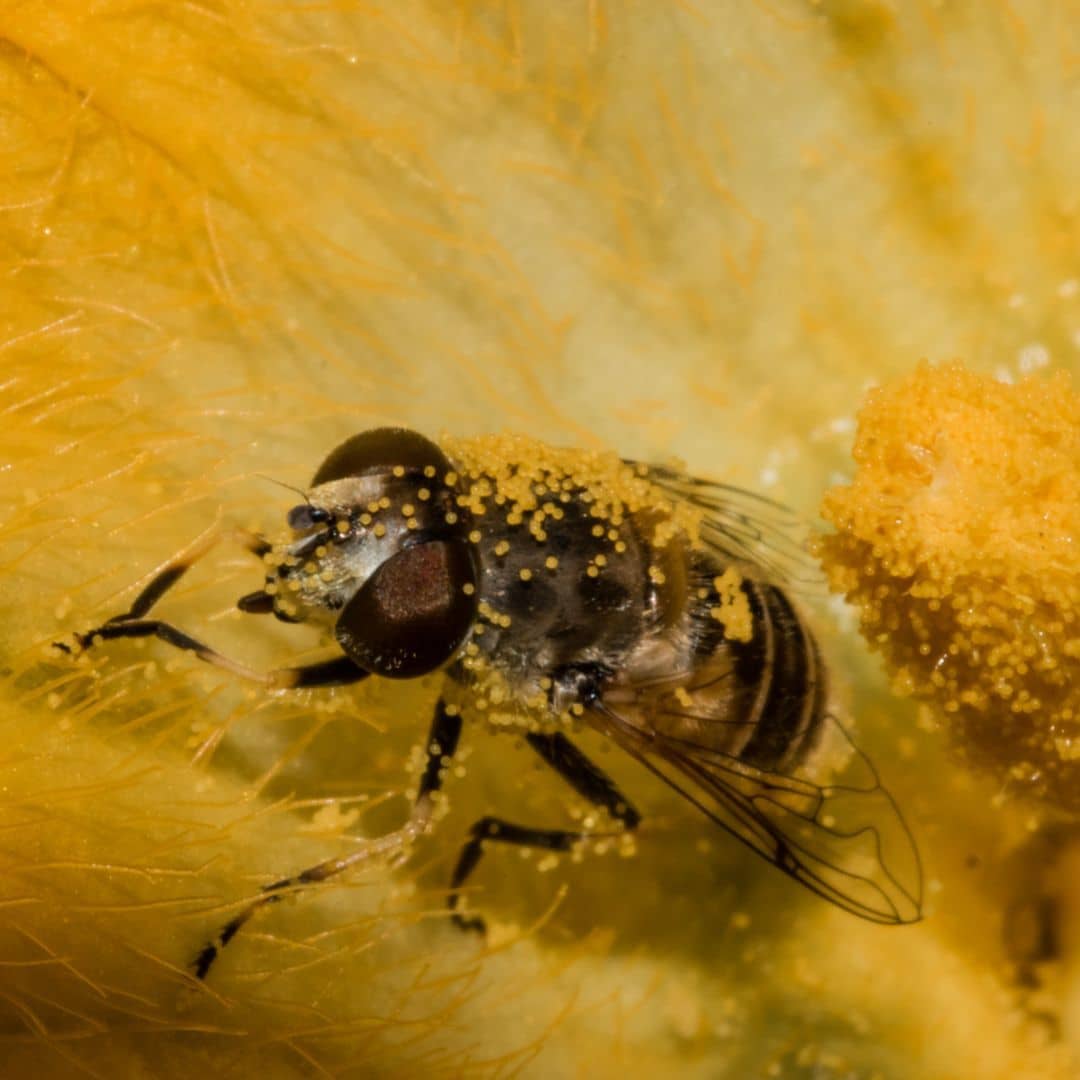
Pollen is as per scientific diction the male principle of the plant which is transported by the wind or the bees to the female flower to pollinate it. Pollen is the product, collected and formed into grain by the bees.
Snail Secretion Filtrate is obtained from the secretion of the garden snail Helix aspersa (Müller). This snail species has existed for 600 million years and has adapted to extreme climatic conditions.
Bee pollen is a natural source of most known nutritional elements. It has been used as a healer of wounds and as a complete food with many essential vitamins, minerals, and fats.
The honeybee produces an organic skincare ingredient, beeswax, which contains a mixture of fatty acids and esters. It is used in a range of organic skincare products as a thickener and emulsifier.
Lactomide is a milky, opalescent, beige dispersion. It is a nanoparticle lipid dispersion that improves the constitution and structure of the ceramide-containing lipid lamellae.
Crustaceans protect themselves from predators and pathogens by building a chitin-based cellular exoskeleton of calcite crystals and a microfibrillar organic structure.