This Chinese plant called Babchi (Psoralea Corylifolia) has been used effectively to treat severe psoriasis and vitiligo. Research determined that when Psoralea was used internally or externally with exposure to the sun or ultraviolet light, the skin produced new pigment locally.
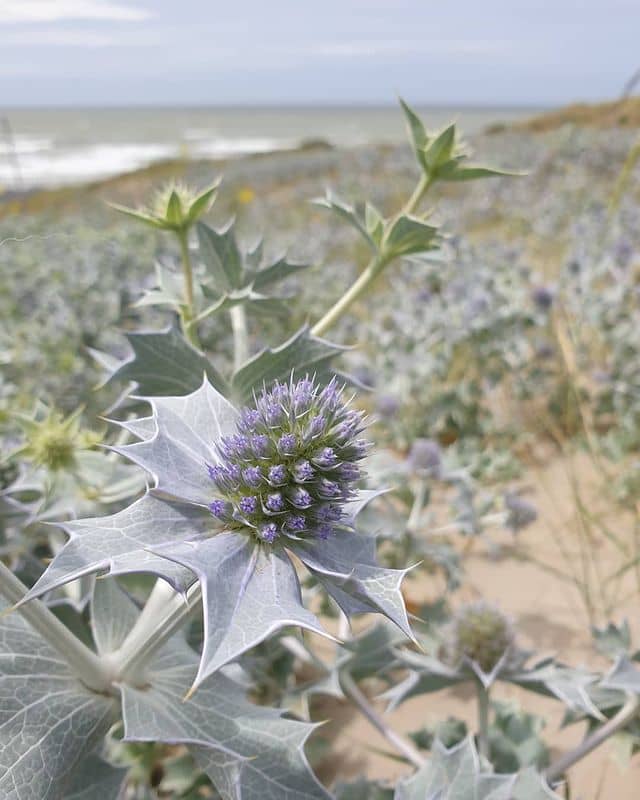
Celtusome™ Eryngium
Related ingredients
Angelica contains phytoestrogens and many vitamins, saccharides, and essential minerals such as vitamin B12, zinc, potassium, magnesium, iron, fructose, glucose, and sucrose, leaving beneficial effects on the skin.
Galega officinalis L. (Fabaceae) is a herbaceous plant distributed through Asia to temperate areas of Southern Europe.
Bupleurum Falcatum Root Extract is a plant root extract based on a Chinese medicinal plant called Chaihu. It is a botanical slimming agent that stimulates lipolysis (fat burning) by increasing cAMP via the G Protein.
The Chinese ginkgo (Ginkgo biloba) tree bears a small, brownish-white nut that is used to treat asthma, coughs, wheezing, leukorrhea, and bladder irritability. The ginkgo nut is also considered to have detergent properties and an antibiotic effect against many pathogenic bacteria.
The common sorrel extract is a natural remedy against spider veins thanks to an antiplatelet effect.
Japanese mushrooms have been prized in the Orient for at least two thousand years, both as flavorful food and as a treatment for systemic conditions related to aging. The shiitake mushroom (Lentinus edodes) is native to Japan, China, Korea, and temperate parts of Asia.
The scientific name of the genus, Helianthos, comes from two Greek nouns--helios for “sun” and anthus for “flower”. Sunflower (Helianthus Annuus) seeds number about 650 to an ounce and are used for their oil in cooking.
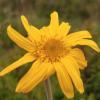
Mountain arnica flower extract is excellent for acne, rashes, tired and aching muscles, bruises, and sprains. It is analgesic, anti-inflammatory, and anti-microbial.
The skin is exposed to a large number of damaging factors. It can cause problems with skin barrier permeability, making it more fragile and susceptible to inflammatory processes.
The American Indians used birch tea made from Betula Alba leaves to help relieve headaches and found that poultices of boiled bark helped to heal burns, wounds, and bruises.
Wild cherry (Prunus serotina) bark is considered to have astringent, tonic, expectorant, and sedative properties. It has been used to treat bronchitis, whooping cough, consumption, and dyspepsia.
Prunus Serotina Bark Extract has also been used as a healing agent for cuts and sores.