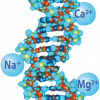
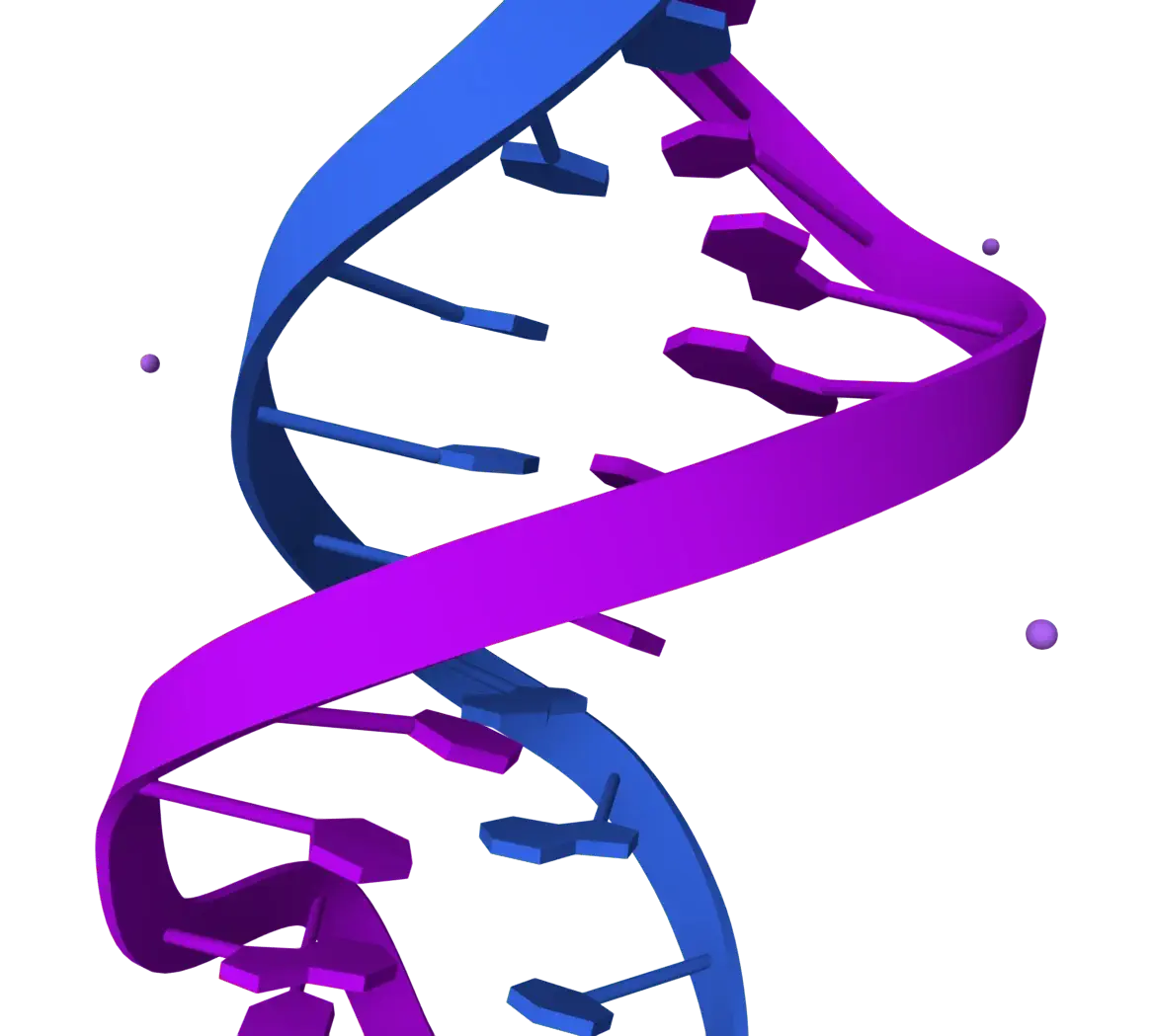
Sodium DNA is a sodium salt of deoxyribonucleic acid, a biologically active natural polymer that increases cell proliferation and activity. Its tissue-regenerating properties have been confirmed by numerous studies on different cell types and tissues, including skin, mucous membranes, bone, and others.
Investigations on fragments of deoxyribonucleic acid (DNA), a biologically active functional ingredient, consisting of deoxyribonucleic acid extracted from the gonad tissue of male sturgeon, purified, depolymerized, and neutralized with sodium ions, DNA-Na or Sodium DNA, and studied. It is the result of experiments on sodium deoxyribonucleate conducted in Russia aimed at developing an effective treatment for pathologies induced by ionizing radiation.
The first functional findings were reported in 1986, when it was used to address the pathologies caused by the Chornobyl disaster. In the following years, numerous clinical tests aimed at the treatment of different types of lesions and diseases (11 years) confirmed their effectiveness: the observation that nucleotide fragments of DNA with mass molecular structure between 250 and 500 kDa were able to slow down the appearance of wrinkles, paved the way for the studies of Sodium DNA as an active anti-aging ingredient.
In vitro tests over the years have shown that the rate of skin cell renewal naturally decreases, leading to the events that characterize skin aging. Using in vitro tests, the regenerative and photoprotective activity of Sodium DNA was evaluated in two cell types: keratinocytes and fibroblasts. The results demonstrated that Sodium DNA stimulates cell proliferation and is effective in their protection: in particular, it acts on keratinocytes, stimulating their growth.The sodium salt of DNA also increases fibroblast vitality, resulting in a statistically significant increase in cell proliferation. After topical application of Sodium DNA, it improves the cohesiveness of the superficial skin layers and enhances skin thickness and elasticity.
Boosting regenerative processes and improving skin hydration, Sodium DNA leaves a significant anti-aging effect on the skin. It is an effective remedy against cellulite and stretch marks, fine lines and deep wrinkles, and UV-induced damage.
Combined with Potassium Glutathione Isomerized Linoleate, it is used in an anti-hair-loss complex called Stimucap.
Mechanism of Action
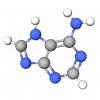
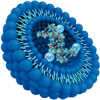
The most widely accepted hypothesis regarding the mechanism of the anti-aging effect posits that DNA fragments serve as donors of purine and pyrimidine bases, key molecules for the vitality of all cells. Sodium DNA crosses cell membranes by pinocytosis, an endocytotic transport mechanism facilitated by the presence of sodium ions associated with polydeoxyribonucleotides.
The cells themselves would then use the 'internalized' Sodium DNA to carry out the metabolism of their own DNA and as a structural basis for the synthesis of nucleic acids and their cofactors. These processes occur readily in cells under extreme metabolic and stress conditions, as in keratinocytes and altered fibroblasts, typical of aged skin.
Sodium DNA, as a consequence of the cellular integration process, exerts a stimulating effect on cellular repair, the regeneration of epithelial tissues, and granulation, as well as reducing inflammation symptoms and accelerating the healing of skin micro-lesions.
Sodium DNA in oral care
When combined with chlorhexidine, Sodium DNA is used in antiseptic oral care applications, where it acts as a protective agent, mitigating oxidative stress and chlorhexidine-induced apoptosis. Its addition to mouthwash or oral gels also helps manage inflammation and accelerate wound healing.